FuturistU > Retail > Omnichannel Retail > Module 2 / 5

Hybridization in Retail

Instructor: Ady Floyd
Brand Engagement
Download the Brand Engagement Trend Report
In the first module of omnichannel retail, Ady explores what Hybridization means in the retail landscape and how it's being used to fuel successful retailers today. In order to capture the attention of shoppers from all generations, retailers need to combine online and offline platforms to create seamless shopping systems. It's no longer enough to offer just one single platform, or even two; brands need retail hybridization that binds together apps, brick-and-mortar establishments, e-commerce, beacon technology and everything in between in order to reach the masses.

In this module, you'll learn about what trends are being used to create these interchangeable platforms and allow consumers to experience the best of online and offline shopping as one.
Related Trend Report: Brand Engagement
Workshop Questions:
1. How could you integrate your brand or products into adjacent markets?
2. What is one industry you could tap for inspiration?

Access Advisory Services

Featured Insights

Retail Retreat
Brands are displaying products outside the store setting as a fun retreat
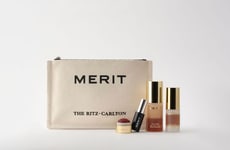
Implications - As consumers seek out retail experiences that go beyond simple product purchasing, brands are taking note by setting up showrooms and product displays that take place in alternative settings, specifically environments that offer rest and relaxation. Offering consumers hotel rooms and apartment units that integrate the brand’s product lines, retailers are allowing consumers to experience what enjoying their products would be like in real-world settings.
Workshop Question - How could you integrate your brand and products into adjacent markets and businesses?
4.5
Score
Popularity
Activity
Freshness
Patterns
Megatrends
Brick-and-Modem
Physical stores' rise in popularity prompts online retailers to adapt
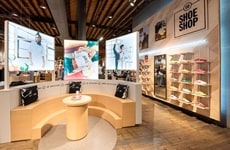
Implications - Years ago, online retailers took the traditional market by storm, upending the brick-and-mortar sales model. Since then, brick-and-mortar retailers have responded by providing consumers with experiences they can't get online. The process has now come full circle, as e-commerce brands recognize the unique appeal of physical stores and thus offer online experiences that mimic brick-and-mortar shopping. While evolution is natural in any industry, brands that search out and recognize the value behind traditional techniques can further improve their modern operations.
Workshop Question - What is the most appealing aspect of the traditional marketing techniques in your industry? How could you adapt that technique to suit your modern day practices?
6
Score
Popularity
Activity
Freshness
Patterns
Megatrends

Insights by Trend Hunter AI

Agentic Shopping
Current capabilities of AI allow shoppers to offload decision making
Trend - As AI shifts from simply generative to agentic, shoppers are able to offload the mental labor of decision making to the technology. This goes beyond simply automating the transaction and into allowing artificial intelligence to make decisions.
Workshop Question - How can your brand leverage AI's agentic capabilities to balance convenience and autonomy in the consumer decision-making process?
7.2
Score
Popularity
Activity
Freshness
Patterns
Megatrends
Conversational Shopping
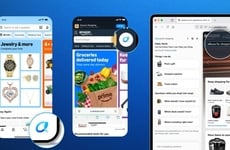
Retail Platforms Use Natural‑language AI Models to Guide Shoppers
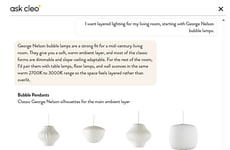
Trend - Retailers are introducing conversational AI assistants that help customers find the right products through natural‑language dialogue. These systems interpret intent, ask clarifying questions and provide tailored recommendations, making digital shopping feel more intuitive and human‑guided.
Workshop Question - How might we leverage natural-language AI to enhance and personalize the shopping experience for our customers?
7
Score
Popularity
Activity
Freshness
Patterns
Megatrends
Phygital Hangouts
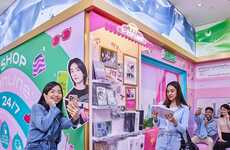
Youth-facing retailers redesign stores as social, sensory destinations
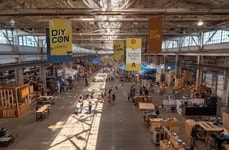
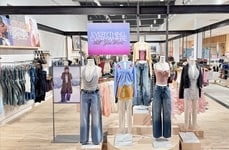
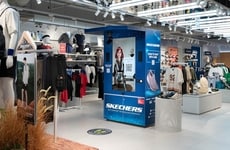
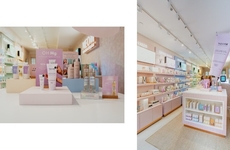
Trend - Retailers are reimagining youth-focused stores as immersive spaces that blend shopping, socializing, and content creation. Watsons Pink locations feature lipstick-shaped makeup bars and K-pop photo zones, Claire’s sensory stores include slime, squishies, and recording booths, and Urban Outfitters’ UO x Glendale concept uses modular fixtures and personalization informed by Gen Z shoppers.
Workshop Question - How could your brand make its physical spaces feel more social, sensory, and worth showing up for?
8.7
Score
Popularity
Activity
Freshness
Patterns
Megatrends
Employee-Free Retailer
Brick and mortar stores are turning to AI to mitigate labor costs
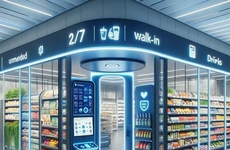
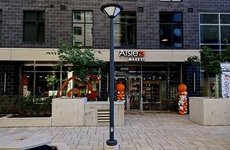
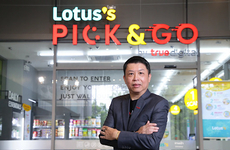
Trend - Retailers and grocers are testing fully automated locations to lower costs. By saving on the many complications associated with labor, these retailers are able to offer reduced prices for the benefit of the consumer. These often begin as solo test locations before expanding based on demand.
Workshop Question - How could your brand alter its operations to reduce costs of its products or services for consumers?
6.2
Score
Popularity
Activity
Freshness
Patterns
Megatrends
Retail Lounge
Retailers are launching experiential events to enhance connections to consumers
Trend - Retailers in various industries, such as department stores, luxury brands, and more, are launching in-store lounges and experiential events. These events are designed to enhance the comfort of shoppers while deepening the connection between the shoppers and the brand.
Workshop Question - How can we create experiential in-store events that enhance consumer engagement and strengthen their connection to our brand?
6.9
Score
Popularity
Activity
Freshness
Patterns
Megatrends
Visual Aid
Brands are designing packaging to be accessible for consumers with visual impairments
Trend - Brands are creating packaging designs with smart solutions for consumers with visual impairments. These solutions include scannable codes or symbols that interact with smart applications to provide either easier-to-read or audio-based information, more effectively supporting shoppers.
Workshop Question - How can we leverage technological solutions to make our products more accessible for a wider range of consumers?
6.5
Score
Popularity
Activity
Freshness
Patterns
Megatrends
eCommerce Assistant
Online retailers are using generative AI to create natural-sounding assistants
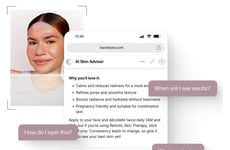
Trend - Brands with online storefronts are launching assistants powered by generative AI to improve experiences for customers. These assistants can interpret natural language, and have intimate knowledge of the business' product portfolio, enabling them to suggest well-suited products for consumers' needs.
Workshop Question - How could your brand leverage generative AI models to enhance its customer experience on its online platforms?
6.7
Score
Popularity
Activity
Freshness
Patterns
Megatrends
Gamified Storefront
Brands are gamifying brick and mortar stores for the retailtainment trend
Trend - Brick-and-mortar storefronts are adding elements of gamification and entertainment to improve the in-store shopping experience. These 'retailtainment' initiatives add immersive experiences and interactive elements to increase consumer engagement and pull the focus away from simply spending money.
Workshop Question - How can we integrate gamification and entertainment into our physical spaces to create a more engaging and immersive experience for our customers?
6.8
Score
Popularity
Activity
Freshness
Patterns
Megatrends
Accessible Grocery
Grocery delivery platforms now accept electronic benefit transfers
Trend - Electronic Bank Transfer (EBT) is becoming a standard payment method as consumers seek convenient and secure ways to pay for grocery deliveries. This payment method aims to help individuals relying on government assistance programs access essential food items with ease and dignity.
Workshop Question - How does your brand demonstrate attentiveness to the financial well-being of its customer base?
2.4
Score
Popularity
Activity
Freshness
Patterns
Megatrends