FuturistU > Retail > How to be Retail Resilient > Module 1 / 4

Intro to How to be Retail Resilient

Instructor: Ady Floyd
In this module, Trend Hunter's VP of Client Success, Ady Floyd, explores the fast-paced world of retail shifts and how so many retailers remained resilient against the abrupt changes brought on by the COVID-19 pandemic. Retail as an industry has the power to change, grow and adapt, and it will never die - retail is necessary. What kinds of disruptions took place both online and offline, in the world of retail and what do you need to know to stay ahead?
Get Trend Hunter Dashboard

Insights by Trend Hunter AI

Phygital Hangouts
Youth-facing retailers redesign stores as social, sensory destinations
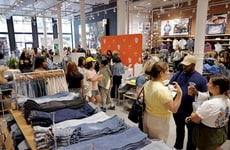
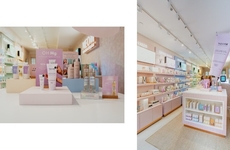
Trend - Retailers are reimagining youth-focused stores as immersive spaces that blend shopping, socializing, and content creation. Watsons Pink locations feature lipstick-shaped makeup bars and K-pop photo zones, Claire’s sensory stores include slime, squishies, and recording booths, and Urban Outfitters’ UO x Glendale concept uses modular fixtures and personalization informed by Gen Z shoppers.
Workshop Question - How could your brand make its physical spaces feel more social, sensory, and worth showing up for?
8.7
Score
Popularity
Activity
Freshness
Patterns
Megatrends
Narrative Commerce
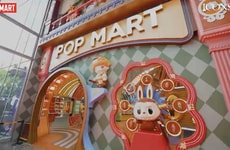
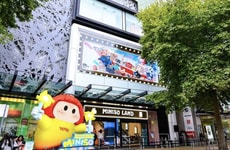
Retail brands are reimagining store spaces for specific intellectual properties
Trend - Retailers are leveraging playful, fandom-driven intellectual properties and franchises to create personalized, interactive shopping experiences within brick-and-mortar environments. By reformatting the traditional store concepts as an immersive, thematic destination, retailers aim create deeper consumer engagement.
Workshop Question - How can your brand create engaging in-store experiences for consumers?
8.5
Score
Popularity
Activity
Freshness
Patterns
Megatrends
Local Loyalty
Hyper Local Commerce shifts toward neighborhood-first shopping
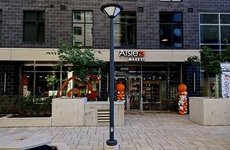
Trend - Consumers are increasingly prioritizing local retailers, regional goods, and community-based shopping experiences. Whether it’s buying from a neighborhood store or choosing products made nearby, there’s growing momentum behind commerce that feels rooted in place. National brands are responding by incorporating local elements into their offerings, partnering with small businesses, highlighting regional sourcing, and localizing store formats, to stay relevant in a shifting retail landscape.
Workshop Question - How might your brand collaborate with local businesses, creators, or communities to build trust and relevance at the neighborhood level?
4.7
Score
Popularity
Activity
Freshness
Patterns
Megatrends
AI Intimacy
Retail brands are using AI to create deeper emotional connections with customers
Trend - Retail companies are deploying AI systems that go beyond transactional interactions to build genuine emotional relationships with customers. These technologies learn individual preferences, remember personal details, and anticipate needs in ways that make customers feel truly understood. AI is being used so every interaction feels like a continuation of an ongoing relationship.
Workshop Question - How could your brand use AI to remember and celebrate the small details that make each customer feel uniquely valued?

7.7
Score
Popularity
Activity
Freshness
Patterns
Megatrends
AI Experience
Brands increasingly use artificial intelligence to power live retail experiences
Trend - Brands are leveraging artificial intelligence to bring personalized, interactive shopping experiences to malls and brick-and-mortar stores. By integrating machine learning and augmented reality (AR), they create immersive, tech-driven demonstrations that connect consumers with branded products.
Workshop Question - How can your brand create stronger in-store connections with consumers?

7.1
Score
Popularity
Activity
Freshness
Patterns
Megatrends
Artistic Retail
Retail companies team up with artists for immersive in-person events.
Trend - Retail companies are increasingly collaborating with artists to host in-person events and activations. These initiatives aim to create immersive and engaging experiences that draw consumers to physical retail stores. By integrating art installations, retailers seek to offer unique experiences.
Workshop Question - How can your brand create unique and memorable in-person experiences to attract more customers to physical locations?
6.7
Score
Popularity
Activity
Freshness
Patterns
Megatrends
Employee-Free Retailer
Brick and mortar stores are turning to AI to mitigate labor costs
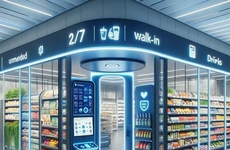
Trend - Retailers and grocers are testing fully automated locations to lower costs. By saving on the many complications associated with labor, these retailers are able to offer reduced prices for the benefit of the consumer. These often begin as solo test locations before expanding based on demand.
Workshop Question - How could your brand alter its operations to reduce costs of its products or services for consumers?
6.3
Score
Popularity
Activity
Freshness
Patterns
Megatrends
Retail Lounge
Retailers are launching experiential events to enhance connections to consumers
Trend - Retailers in various industries, such as department stores, luxury brands, and more, are launching in-store lounges and experiential events. These events are designed to enhance the comfort of shoppers while deepening the connection between the shoppers and the brand.
Workshop Question - How can we create experiential in-store events that enhance consumer engagement and strengthen their connection to our brand?
7
Score
Popularity
Activity
Freshness
Patterns
Megatrends
Gamified Storefront
Brands are gamifying brick and mortar stores for the retailtainment trend
Trend - Brick-and-mortar storefronts are adding elements of gamification and entertainment to improve the in-store shopping experience. These 'retailtainment' initiatives add immersive experiences and interactive elements to increase consumer engagement and pull the focus away from simply spending money.
Workshop Question - How can we integrate gamification and entertainment into our physical spaces to create a more engaging and immersive experience for our customers?
6.8
Score
Popularity
Activity
Freshness
Patterns
Megatrends
Barcode-Free Checkout
Artificial intelligence is used to identify barcode-less items at checkout
Trend - Artificial intelligence has been adapted to enable barcode-less product scanning, facilitated by algorithms that analyze images and videos of objects to identify unique features. This technology accurately accounts for retail items in real time, providing shoppers with seamless checkout experiences.
Workshop Question - How can your brand use automation to appeal to consumer's demand for convenience?
6.8
Score
Popularity
Activity
Freshness
Patterns
Megatrends