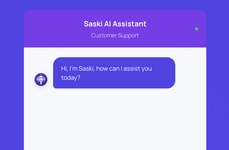
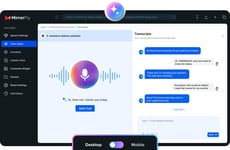
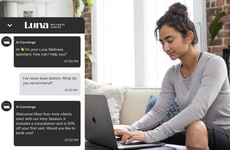
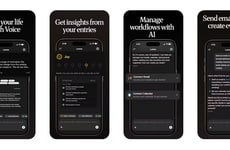
Trend - Customer-facing software is shifting from simple chat support to systems that can answer calls, field messages across channels, and complete basic service tasks on a company’s behalf. These systems are beneficial for offloading repetitive tasks, reducing wait times, and helping staff invest more time in higher-value work and relationship management.
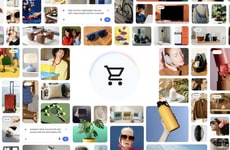
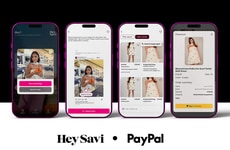
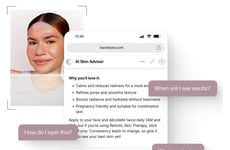
Trend - From discovery and selection to purchase execution, retailers are building systems that let consumers outsource more stages of the buying journey to AI agents. As a result, they’re designing for delegation, not just browsing, and striving to stay useful as shopping increasingly happens through assistants rather than storefronts alone.
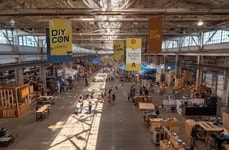
Trend - The brick-and-mortar retail environment is being redesigned around hands-on participation add-ons rather than solely display-led browsing. Stores are organizing workshops, DIY stations, community events, and other types of activations that align with their branding, industry, and product offerings. This shift gives shoppers a reason to physically show up in stores, beyond their need for a purchase.
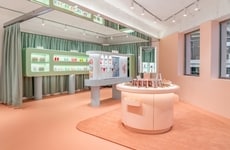
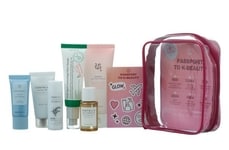
Trend - Beauty retail is expanding beyond product display into environments built for testing, play, and social sharing. Phydigital store experiences, interactive pop-ups, and other temporary activations are being deployed to encourage longer visits and more meaningful consumer engagement. Many of these concepts borrow cues from entertainment, fandom, and cultural storytelling rather than classic merchandising.
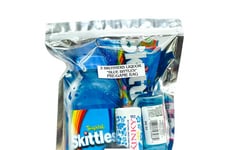
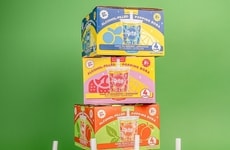
Trend - Cocktail brands are moving beyond standard spirit bottles into ready-made serves that package flavor, format, and occasion together. This shift makes the product feel closer to a complete drinking experience than a base ingredient. Packaging is becoming part of the proposition, with formats designed for convenience, portability, or group use.