Phase 2 of Futurism: The Emergence
Instructor: Sean Watson
Download the Digital Engagement Trend Report
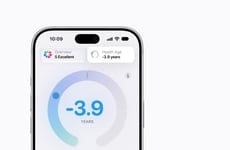
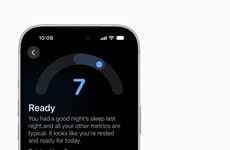
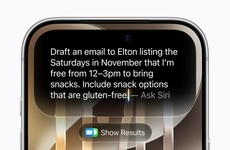
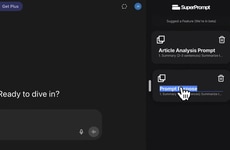
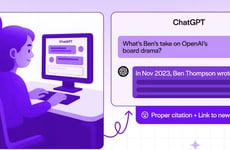
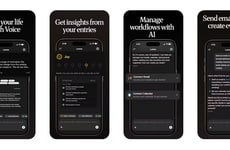
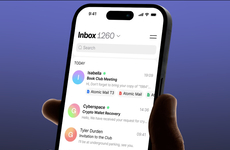
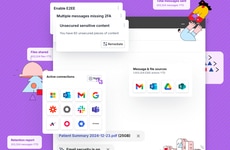
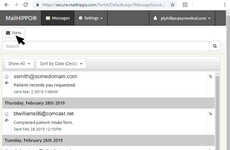
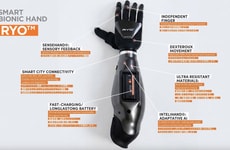
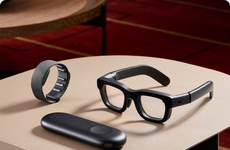
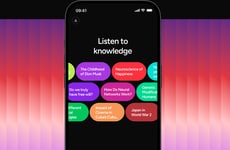
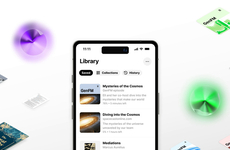
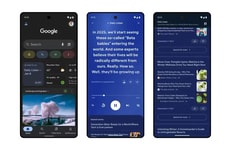
This module dives into the second phase of Futurism, the Emergence, in which Sean looks at the connection between personalization and technology. How is personal data being used to provide a better quality brand experience? How is it keeping people healthier? Looking at examples from industries such as tourism and healthcare, Sean explores how personal information can be used to improve one's quality of life. He introduces different ways technology can seem and feel more human, taking on roles in caretaking and service-providing, which ultimately call for a more personal touch.
Workshop Questions:
1. How can you use personalization to further categorize and archetype your consumer?
2. How can you use technology to enhance personalization opportunities?