Bonus Workshop
By internalizing the pace of change that has already happened, you’ll realize that your far-future predictions are likely not that far off. The exercise highlighted in this module will help you prepare for it.
What's Happening - Enterprise tools are shifting from one-off prompts to software that stays active inside day-to-day business processes. Instead of waiting for a user to ask, these systems watch for events and prepare next steps. Companies are applying this model to specific operational areas such as sales, retail operations, and finance.
What's Happening - Luxury watchmaking is embracing sculptural forms and unconventional displays that position timepieces as wearable design. Lugless cases and wandering-hour mechanisms challenge familiar silhouettes and traditional timekeeping, while aventurine dials and color-blocked chronographs introduce visual depth. Together, these details make aesthetic experimentation a key differentiator in the category.
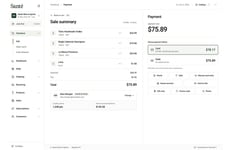
What's Happening - As AI takes on more operational tasks, trust increasingly depends on visibility and control. Finance and operations platforms are connecting data and workflows to automate routine actions, but users are more likely to delegate sensitive work when they can review activity, interrupt processes, and correct outcomes. The result is a shift toward connected systems that reduce administrative effort while keeping human oversight in the loop.
What's Happening - Brands are introducing AI helpers that stay involved beyond a single prompt, with the capability to carry forward prior details, documents, and preferences. These systems are supporting longer processes such as travel changes, property searches, and trade-in evaluation. The shift turns AI from a one-time answer tool into a running point of contact.
What's Happening - Digital products are evolving from prompt-based tools into systems that can interpret context, recommend next steps, and complete actions on behalf of users. As AI assistants become more embedded in consumer and workplace environments, brands are packaging autonomy in more approachable forms while adding safeguards that keep people involved when decisions carry greater risk. The result is a shift from answering questions to actively reducing friction across everyday tasks.